

×
Customer Case: External Ultrasonic Rotary Vibrating Sieve On-site Operation
**Tackling the Toughest Screening Challenge: How an External Ultrasonic Rotary Vibrating Sieve Transformed Ultra-Fine Powder Production at Our
Customer's Plant**
In the world of fine powder processing, few problems frustrate plant managers more than a sieve that keeps blinding. Ultra-fine powders — lithium
battery cathode materials, silicon carbide, metal micro-powders — tend to clump, stick, and block the mesh openings. What follows is a familiar story:
frequent machine stoppages, endless cleaning, falling output, and wasted man-hours.
Recently, our team was invited to a lithium battery material manufacturer that was facing exactly this problem. Their previous conventional vibrating
screen could barely handle a 200-mesh silicon-based anode powder. Within hours of operation, the mesh would blind, output would drop sharply,
and operators had to stop production repeatedly to clean the screen. The cost of downtime alone was eating into their margins.
**The Root Cause of Mesh Blinding**
During our on-site inspection, we quickly identified the culprit. Ultra-fine particles carry strong electrostatic charge. When powder passes through
the mesh, particles agglomerate into clusters and adhere to the wire mesh surface, gradually plugging the openings. With a conventional screen,
there is simply not enough energy to break these clusters apart. The operator's only remedy was frequent stoppage and manual cleaning — an
expensive, labor-intensive loop.
**The Solution: External Ultrasonic Rotary Vibrating Sieve**
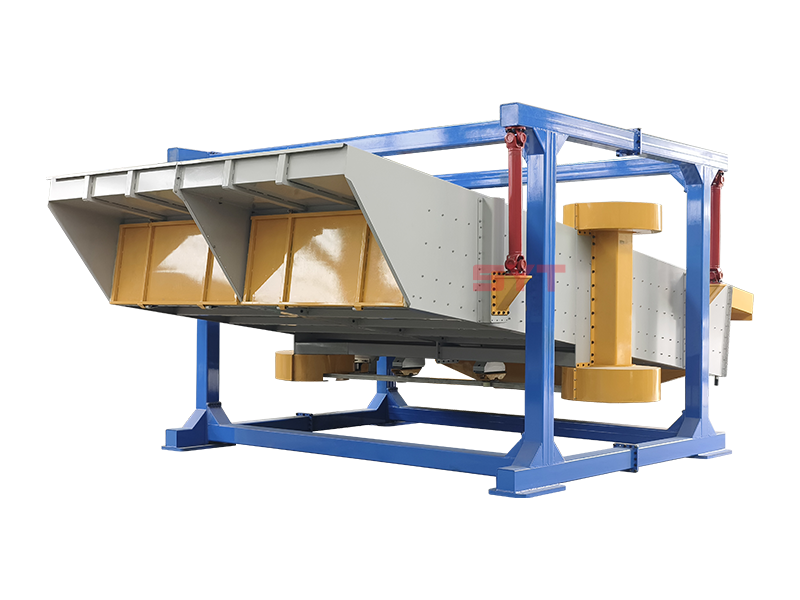
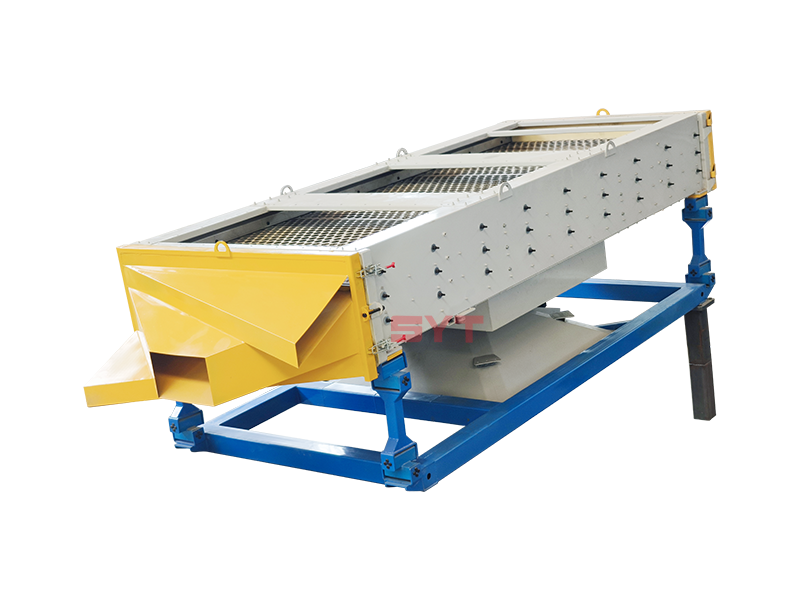
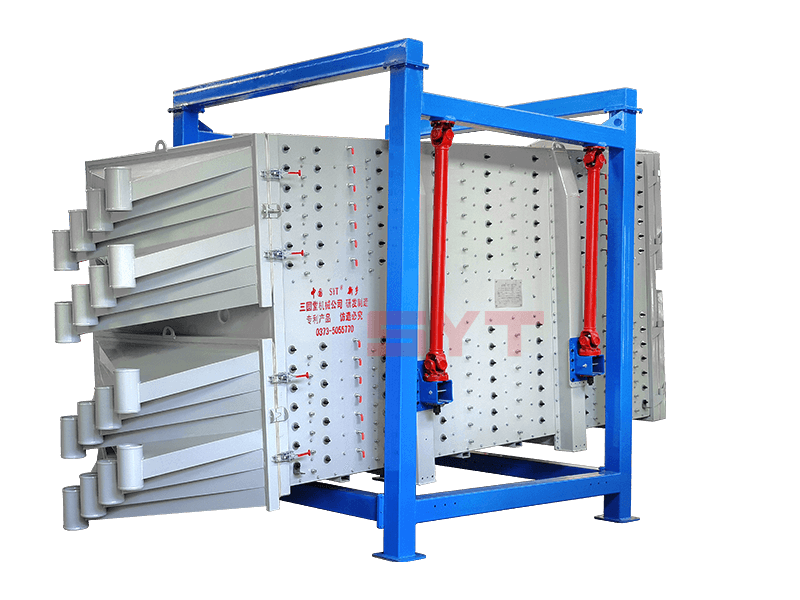
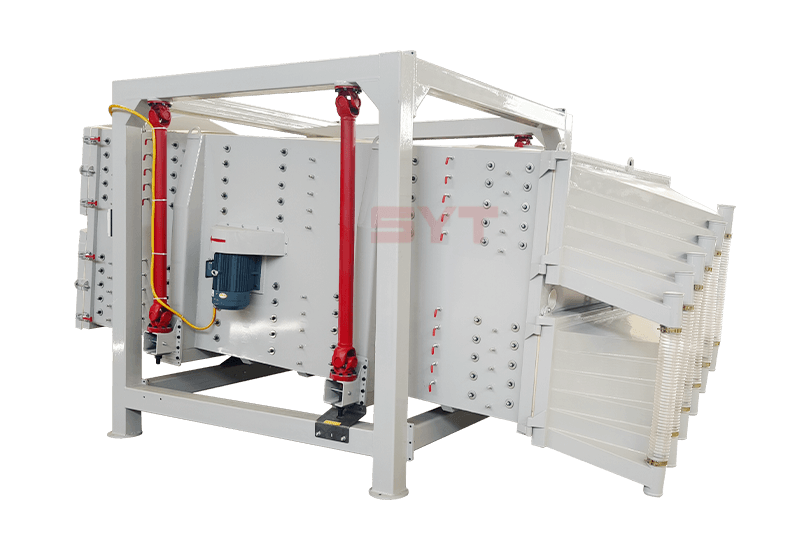
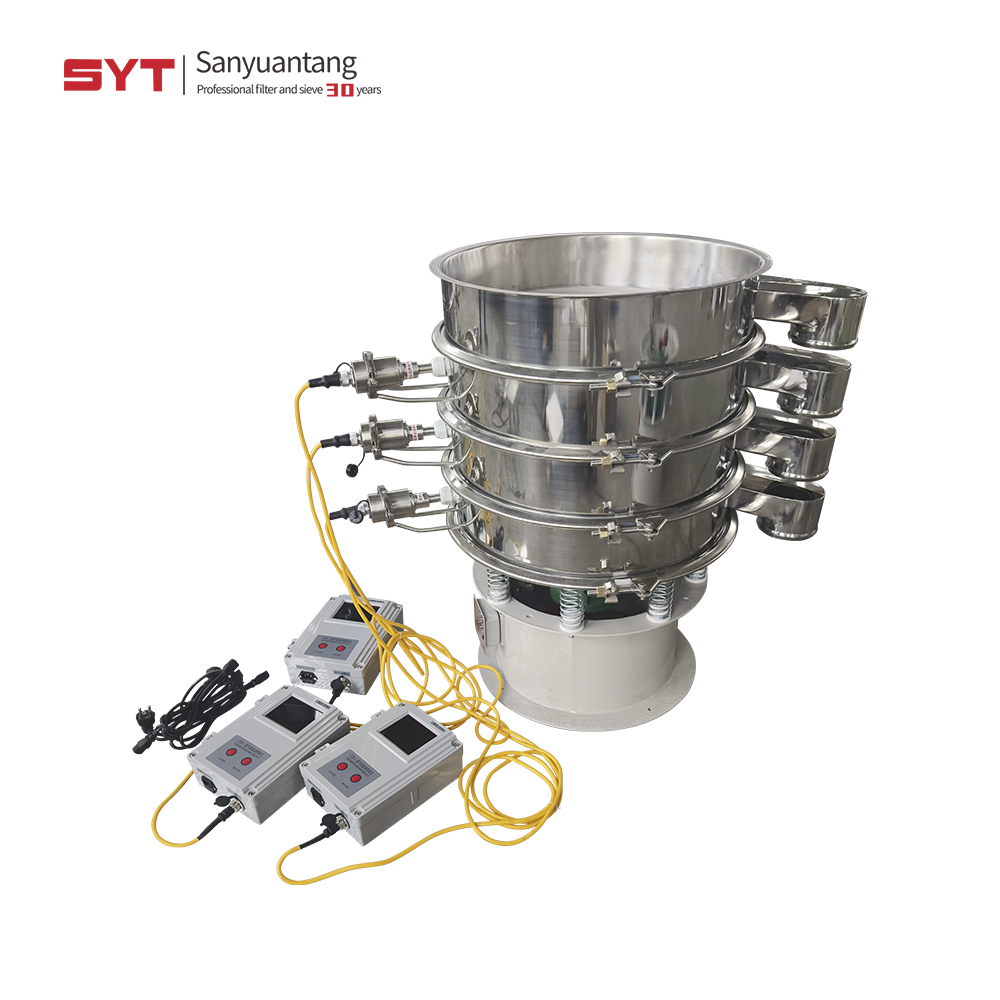
We recommended our **External Ultrasonic Rotary Vibrating Sieve** — a machine specifically engineered for this class of material. The key lies in its
design. Unlike built-in ultrasonic systems where the transducer sits inside the screening chamber and touches the material, our external unit mounts
the transducer **on the outside of the screen frame**, completely isolated from the powder.
This seemingly small difference delivers several decisive advantages on site:
**1. No Material Contact, No Contamination, No Corrosion.** At this lithium plant, the powder is highly abrasive and chemically reactive. With a
built-in transducer, such material would gradually erode the ultrasonic element and risk contamination. Our external design keeps the transducer
fully protected, ensuring a longer service life and zero risk of cross-contamination — critical for high-value, high-purity powders.
**2. Easy Cleaning and Screen Replacement.** Operators at the plant were delighted to find that changing the mesh or cleaning the machine no
longer required dismantling the transducer. The external placement also improves heat dissipation, allowing the ultrasonic system to run steadily
even during long continuous shifts.
**3. Breakthrough Screening Performance.** The machine combines two vibration sources: a three-dimensional rotary vibration for material
distribution and a high-frequency ultrasonic micro-vibration at 38 kHz. Together, they keep particles suspended and free-flowing, preventing them
from wedging into mesh openings. Agglomerates are broken apart before they can cause blockage.