

×
Automatic Vacuum Feeder Vacuum Conveyor for Powder Pneumatic Conveying System
In production lines for chemicals, food, lithium batteries, and mineral processing, the powder conveying stage is a critical yet frequently overlooked component.
Traditional methods—such as manual feeding or the use of screw conveyors—often lead to issues like airborne dust, material contamination, low feeding efficiency,
and high physical strain on workers. Furthermore, certain fine powders pose a risk of dust explosions, making these traditional approaches inadequate for meeting
the stringent requirements of overseas clients who demand dust-free, safe, and automated production environments. Vacuum conveyors (or vacuum feeders)
utilize negative-pressure airflow to transport materials within a fully enclosed system, eliminating the need for direct human contact with the raw materials.
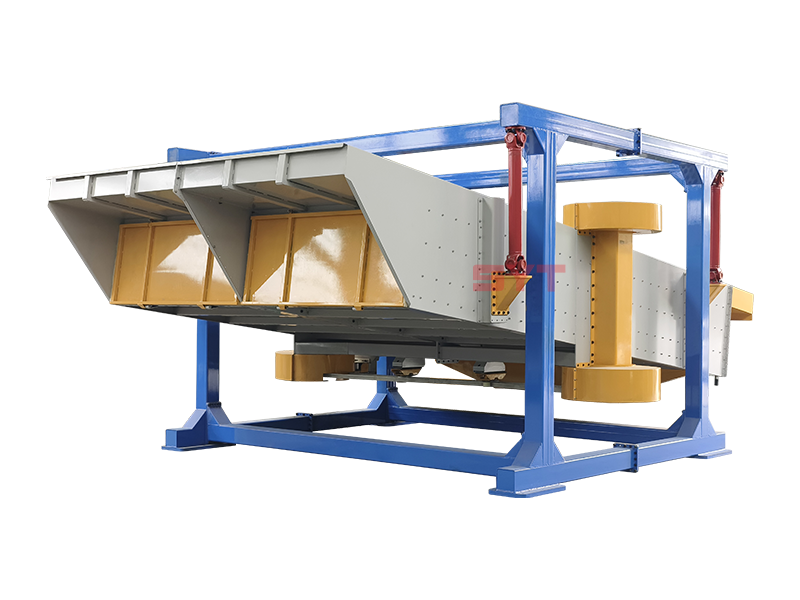
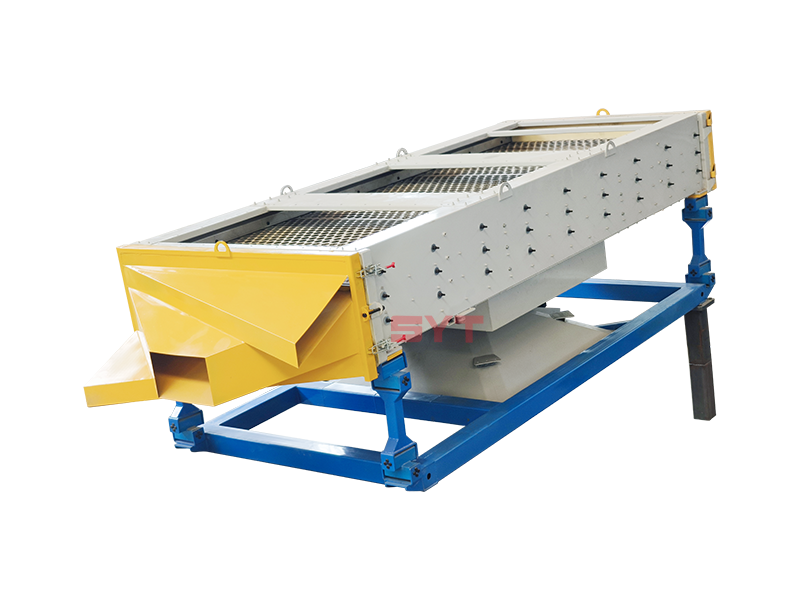
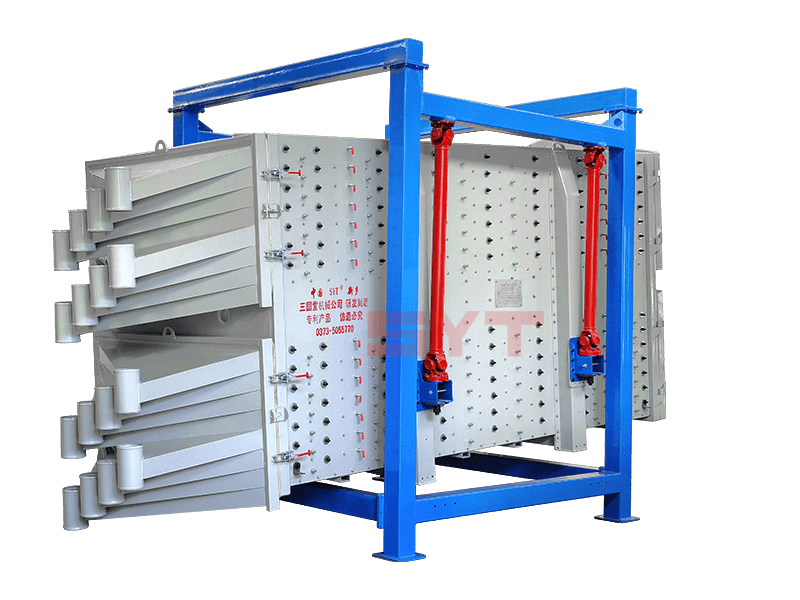
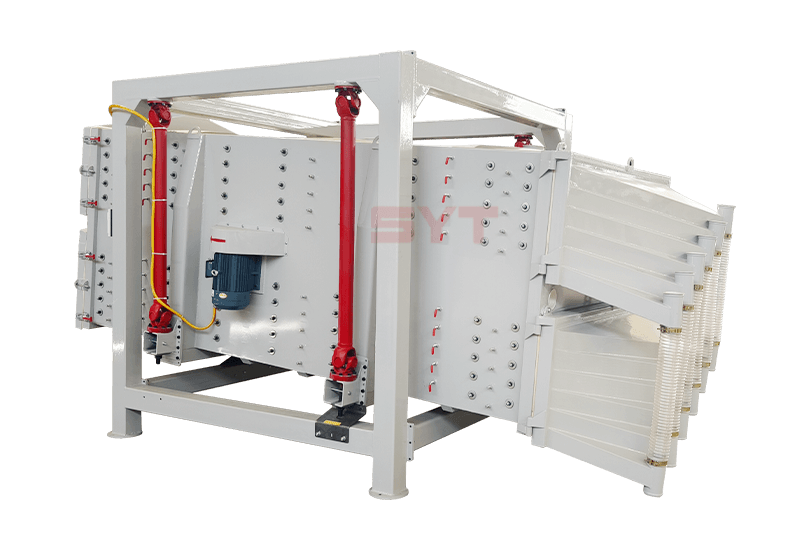
As the preferred solution for automated powder handling, they are frequently integrated with rotary vibrating screens or rectangular tumbler screens to
form complete screening and conveying production lines.
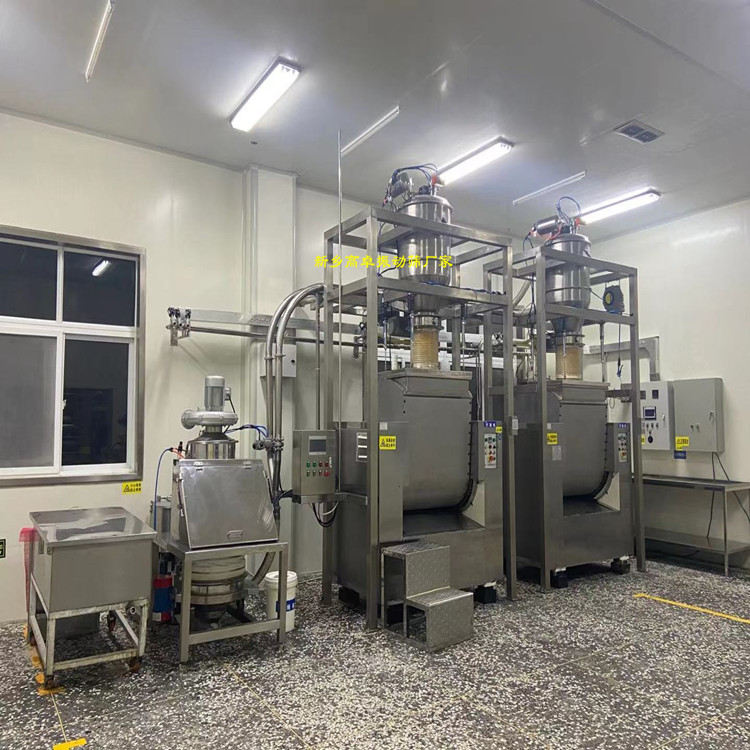
The client in this case is based in Southeast Asia and specializes in the production of fine chemical powders used in the coatings and filler industries.
Prior to upgrading their production line, the facility relied on manual bag-opening and feeding combined with basic screw conveyors—a setup that
presented significant challenges. First, the fine, highly flowable nature of the powders caused extensive dust dispersion during feeding, resulting in a
poor working environment, material loss, and the accumulation of dust on equipment and floors. This created long-term safety hazards, drawing repeated
warnings and demands for corrective action from local safety regulatory authorities. Second, the inconsistent pace of manual feeding led to uneven material
flow into the downstream screening equipment, causing fluctuations in screening precision and unstable product quality. Third, rising labor costs—compounded
by the need for two workers to be constantly present for bag-opening, handling, and feeding—made staffing difficult and led to high personnel turnover. Additionally,
the risk of contaminants, such as hair or foreign debris, entering the material during transport made it impossible to meet the high cleanliness standards required by
clients in the premium coatings sector. After evaluating various conveying solutions, the client discovered our company through Made-in-China.com and sought to
integrate a dust-free, automated feeding system with their existing screening equipment. Taking into account the client’s material characteristics, production capacity
requirements, and workshop layout, our technical team developed a customized **fully automatic vacuum conveying solution**. The system features a food-grade
304 stainless steel construction, ideally suited for the client’s fine chemical powders. It is equipped with a high-precision pulse-jet dust filter cartridge to prevent fine
particles from clogging the filter unit. An automated level-sensing start/stop function allows for seamless integration with the downstream rotary vibrating screen:
the system automatically pauses feeding when the screen is full and resumes when the material level drops, enabling continuous, unattended operation. The entire
process utilizes a sealed, negative-pressure conveying system, ensuring materials remain contained within the piping. Additionally, a dust-free bag-dumping
station is included to suppress dust emissions right from the initial stage of material handling. The equipment boasts a streamlined design for easy assembly
and disassembly, with standardized wear parts—such as filter cartridges and sealing rings—that simplify long-term maintenance for the client. Before leaving
the factory, the equipment undergoes both no-load and material-loaded testing. We provide English operation manuals, safety instructions, and remote
commissioning guidance, backed by a one-year warranty and long-term spare parts support.
Upon arrival at the client’s facility, the equipment was installed and commissioned under the remote guidance of our technical team and successfully
integrated into the existing screening production line. Since its implementation, the improvements on-site have been significant. The sealed, negative-pressure
conveying system has completely eliminated dust dispersion, ensuring that workshop dust concentrations meet regulatory standards and allowing the facility
to pass local safety inspections. Material loss has been drastically reduced, leading to higher raw material utilization. The automated, level-linked feeding
mechanism ensures a stable and consistent flow, which keeps the downstream screening equipment operating smoothly and significantly improves the pass
rate for finished product particle size. Where two workers were previously required for manual feeding, only one employee is now needed for periodic
inspections—resulting in substantial labor cost savings and eliminating the risk of contamination from human contact. Furthermore, the equipment operates
with low noise, ensuring no disruption to other processes in the workshop.
After three months of stable operation, the client reported that the vacuum conveying system is highly reliable with a low failure rate, which has greatly simplified
the management of the entire production line. In the client’s own words: "The vacuum feeder has completely transformed our once-messy, dust-filled feeding
workshop. We no longer have issues with dust; the feeding process is stable, labor costs have decreased, and our product quality has become more consistent.
" Looking ahead, the client plans to add a new powder production line and has already begun discussions with us regarding a second integrated system, which
will combine vacuum feeding with screening capabilities.
This case study demonstrates that a vacuum feeder is more than just a standalone piece of conveying equipment—it is a vital component of an automated
powder processing system. It can be seamlessly integrated with various units, such as rotary vibrating screens, rectangular tumbler screens, mixers, and reactors.
It is widely used for the transport of powders in sectors including chemicals, lithium-battery materials, food additives, pharmaceutical ingredients, mica powder,
and quartz powder. For overseas buyers seeking to achieve dust-free production, implement automation, or improve dust control, the vacuum feeder represents
a highly cost-effective upgrade solution.